
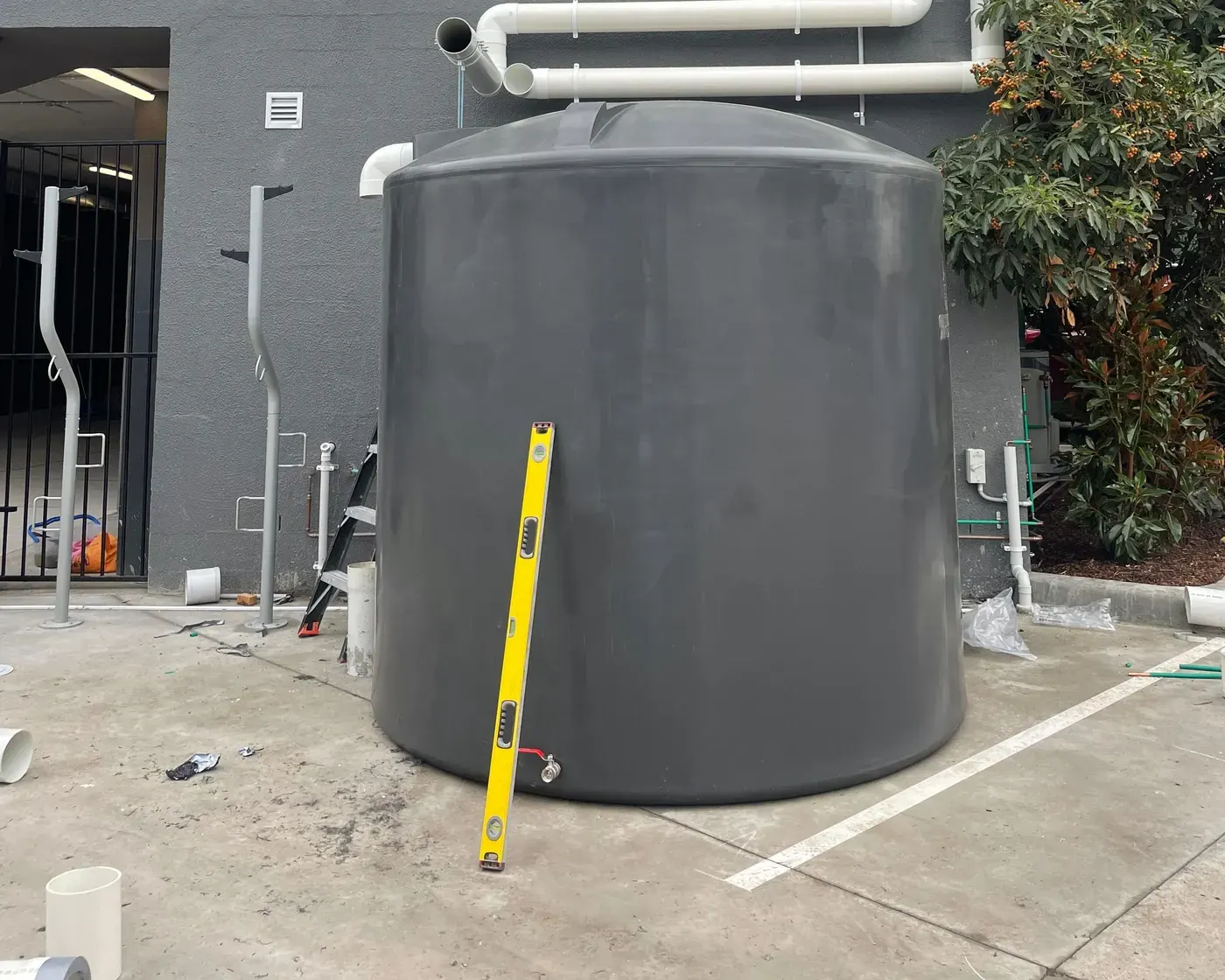
Tanks, pits and pumps installed to the drawing.
Rainwater tank installation, stormwater detention systems, pits, charged lines and pumps for homes, extensions and new builds across inner Melbourne. Where the plans fix a tank size and a discharge rate, we build to them and test before backfill.
- Licensed & insured
- Set out from the plans
- Inner Melbourne
Wanted for the garden, or required by the permit.
A rainwater tank is usually one of two jobs. Either you want one for the garden, the laundry and the toilets, or a planning or building permit has made a tank, or a detention volume, a condition of the build. Measured Plumbing installs both across inner Melbourne, along with the stormwater pits, detention systems and pumps that go with them, for houses, extensions and new builds.
Most of the work is decided before anyone digs: where the tank will sit, how the overflow leaves the site, and whether the fall lets water reach the street or has to be pumped. Where the plans specify a storage volume and an outlet control, the decision is about where the tank fits, not what size to buy, and we set out position, invert levels and falls before excavation starts.
Falls and connections are tested while the trench is still open, not after it has been backfilled. The scope states what is included, what is excluded and who supplies the tank, and on tight inner-suburban blocks the machine, truck and spoil access is worked out before the day, not on it.
From downpipe to legal point of discharge.
Above-ground and in-ground tanks, detention storage, pits, charged lines and pumps, set out from the plans and tested before the trench closes.
Rainwater tank installation
Above-ground and in-ground tanks set on a prepared base and connected to the downpipes, with the overflow taken to a proper discharge point.
Tank plumbing to fixtures
Toilets, laundry cold taps and garden taps run off the tank, with a mains switching device for top-up when it runs low.
Stormwater detention systems
Detention tanks and pits built to the storage volume and outlet control on your engineer's design, with the plumbing information your consultant needs for sign-off.
Stormwater pits and pipework
Grated, silt and junction pits set to level, with pipework laid to the fall shown on the plan.
Charged stormwater lines
Sealed below-ground downpipe lines for sites where the outlet sits higher than the point the water is collected.
Stormwater, sump and tank pumps
Pumps, wells and pit-and-pump arrangements installed for driveways, basements and low-lying yards that cannot drain by gravity.
Pump replacement
Failed tank, pressure and stormwater pumps replaced with a unit matched to the head and flow the system needs.
Extensions and new builds
New roof, paving and deck areas tied into the existing stormwater drainage or a new legal point of discharge.
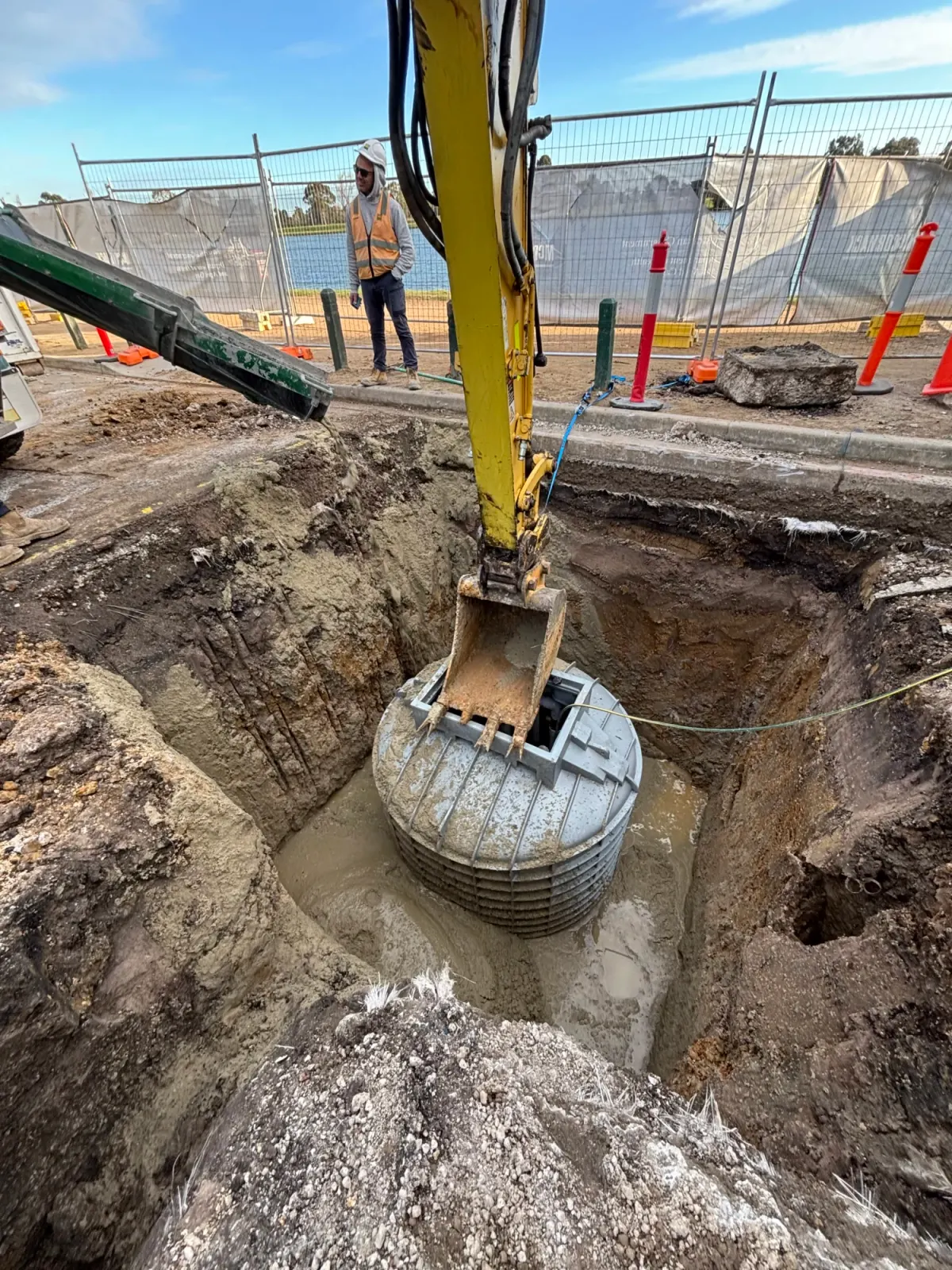
What's in the scope, from set-out to sign-off.
The written scope states what is included, what is excluded and who supplies the tank, before any excavation starts.
- Plans checked against the site: tank position, volume, outlet control, discharge point
- Machine, truck, spoil and tank delivery access confirmed before the day
- Sequence set with the builder where there is one
- Excavation, base preparation and bedding to the levels on the drawing
- Above-ground or in-ground tank set and connected to the downpipes
- Overflow run to the existing stormwater or a new legal point of discharge
- Grated, silt and junction pits set to level
- Charged lines, pumps and pit-and-pump arrangements where gravity will not do
- Tank supply to toilets, laundry and garden taps with a mains switching device
- Falls and connections tested while the trench is open
- Backfill, compaction and surface reinstatement
- Plumbing compliance paperwork that applies to the work
Houses, extensions and new builds, above ground or below it.
The site decides more than the tank does: what space is free, what sits above it, and whether the water can get to the street by gravity.
- 01
Established houses adding a tank for the garden, laundry and toilets, usually above ground where a side setback or rear corner is free.
- 02
Extensions and new builds where the permit conditions a tank or a detention volume, set out with the rest of the plumbing so the trenches open once.
- 03
Blocks built out to the boundaries, where the tank has to go in the ground under a driveway, paving, lawn or decking, often with a trafficable lid.
- 04
Redevelopments that increase the hard surface area of a site and have been asked by council for onsite stormwater detention with a controlled outlet.
- 05
Driveways, basements and low-lying yards below the street drain, where a sump, pit and pump arrangement has to lift the water out.
- 06
Sites where the outlet sits higher than the collection point and a sealed charged line is the only way to get the water there.
Where the same project also needs a septic system or a sewage pump well, that work runs under wastewater tanks and pump stations and can be excavated on the same visit.
Recent tank and stormwater work across inner Melbourne.
Detention tanks, pump wells and fit-offs photographed on site before backfill and reinstatement closed them in.
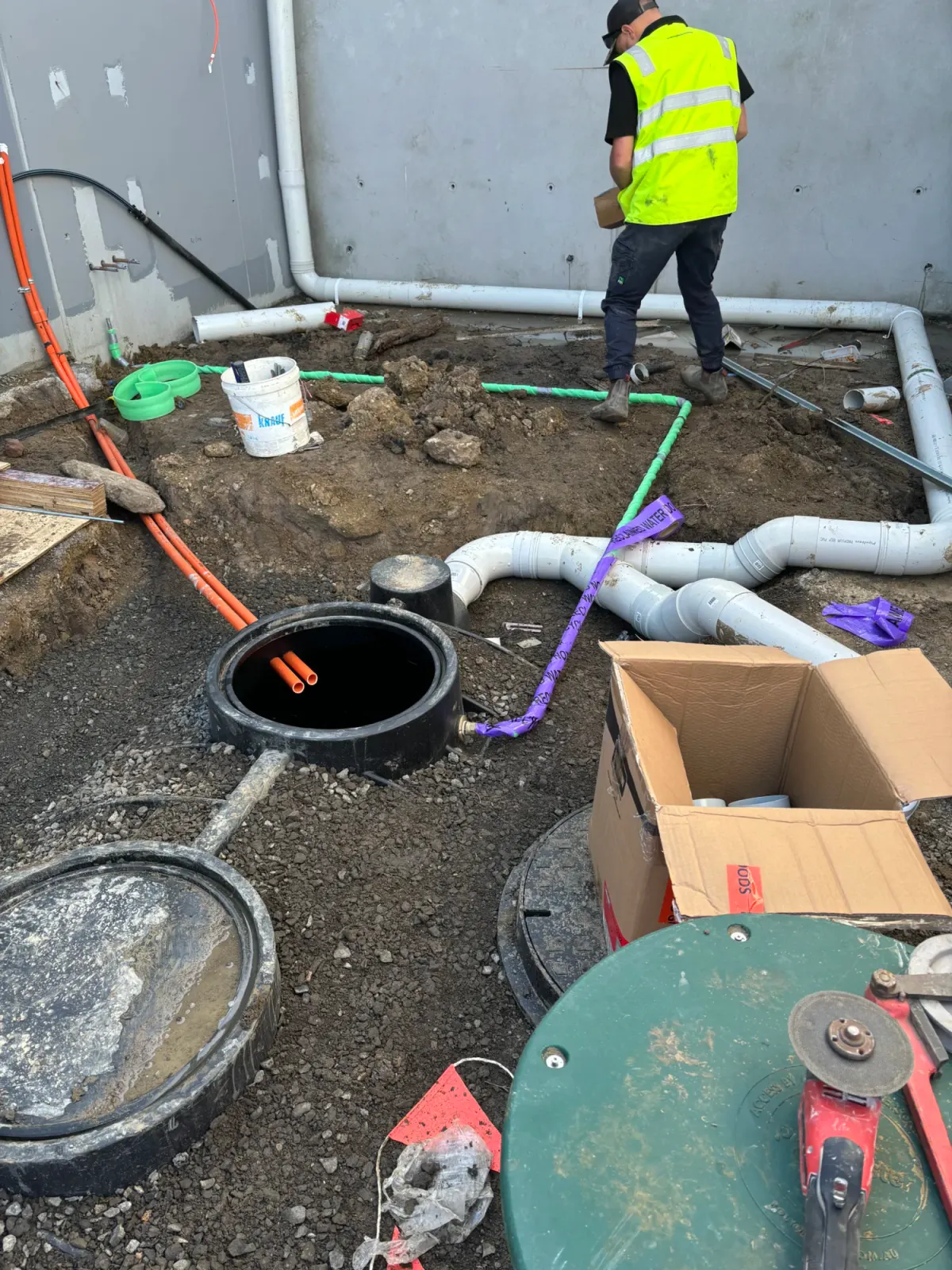
In-ground detention tank
Tank set on its base in the excavation, with the inlet and overflow connections made before backfill.
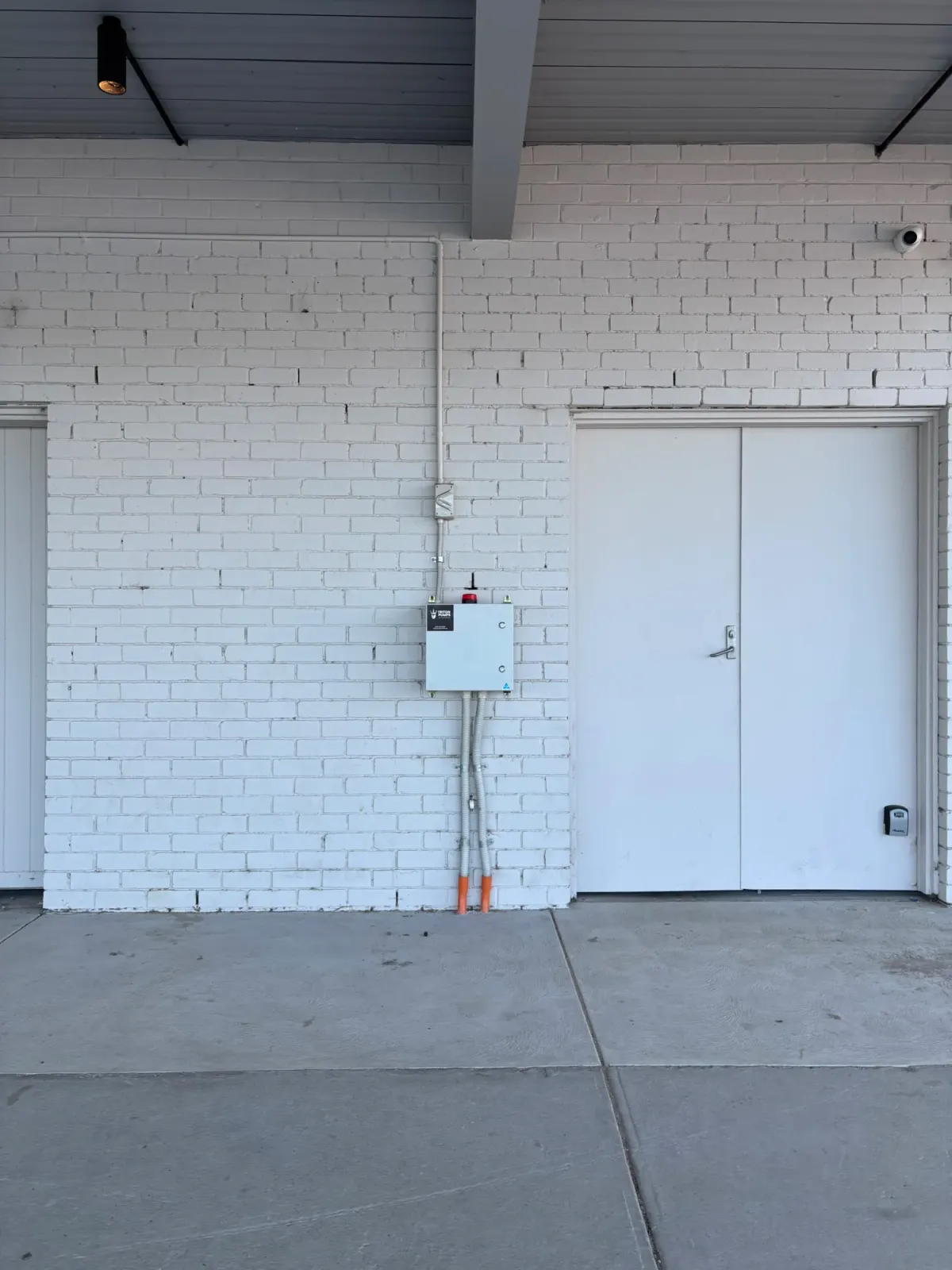
Pump well and box
Pump well and box fitted for a low-lying site that cannot drain to the street by gravity.
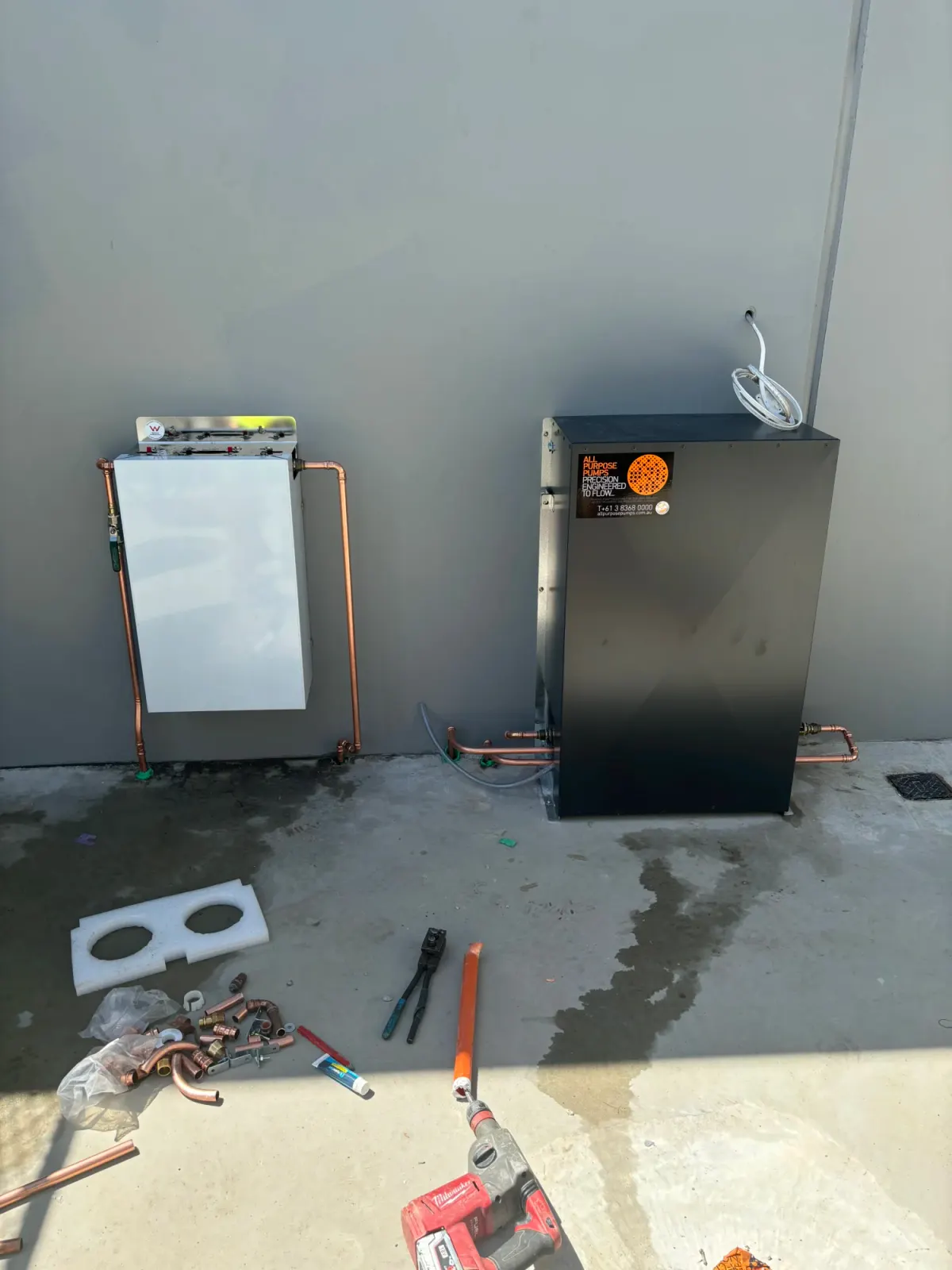
Filter and pipework fit-off
Inline filter and pipework fitted off on a rainwater tank installation before commissioning.
What affects the cost of a tank or detention system.
Getting to the hole costs more than what goes in it. A job where a truck and a machine can reach the rear of the block is a different job from one where every barrow of spoil comes down a side path. How deep the excavation goes, what the ground is like and whether paving or concrete above has to be cut and put back all move the scope.
The tank itself matters less than people expect. An above-ground poly tank on a prepared base is the simple end; an in-ground tank needs excavation, bedding, backfill and often a trafficable lid. After that it is the pump and switching device, the length of the run to the fixtures and where the overflow can connect. You get a written quote once we have seen the plans and the site.
Scope, inclusions and exclusions, in writing.
Anything outside what was agreed is priced and approved before it proceeds, so no variation lands on an invoice unannounced.
How a tank and stormwater installation runs.
Set out from the drawing, tested while it is open, reinstated when it is done.
- 01
Check plans against site
Tank position, storage volume, outlet control and discharge point confirmed on the ground before anything is ordered.
- 02
Confirm access and sequence
Machinery, spoil removal and tank delivery worked out, and the sequence set with the builder where there is one.
- 03
Excavate and set
We excavate, prepare the base and set the tank or pit to the levels on the drawing.
- 04
Connect and fit off
Pipework run, downpipes, overflows and any pump connected, and the switching device fitted where the tank feeds fixtures.
- 05
Test while open
Falls and connections tested before the trench is backfilled, compacted and the surface reinstated.
- 06
Hand over paperwork
Plumbing compliance paperwork that applies to the work handed over, with the information your consultant needs.
What customers say, in their own words.
“I was extremely impressed by the efficiency, professionalism and service provided. Cannot recommend them enough!”
“Had an issue with my washing machine, hot water service and toilet all in the one day, ultra quick turnaround and couldn't have been more thankful for the job done. Completely saved the day and will absolutely use again for my next issue.”
“I recently used this new plumbing company and couldn't be happier with the experience. From the initial phone call through to the completion of the job, the team was professional, friendly, and incredibly responsive.”
Richmond-based, across inner Melbourne.
Melbourne CBD and the inner suburbs: inner city, inner east, inner north, inner south and bayside. Not sure if your suburb is covered? Ask.
Common questions, answered plainly.
Can't find what you need? Call 0416 812 147 or send an enquiry and Heath will get back to you.
Other work we cover regularly.
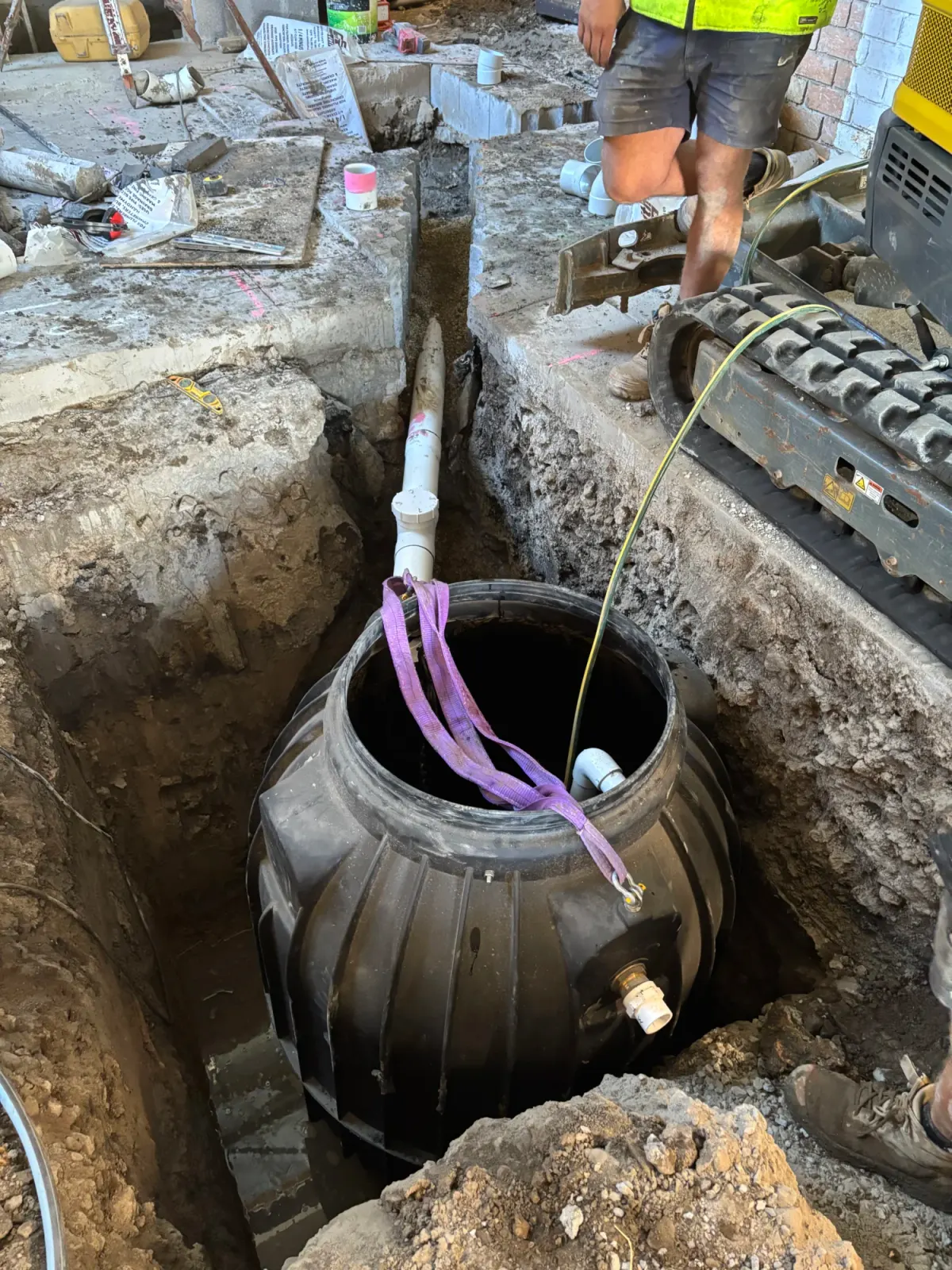
Wastewater Tanks, Septic & Pump Stations
Wastewater tanks, sewage pump stations and pumped drainage for basements and sites below sewer level.
Learn more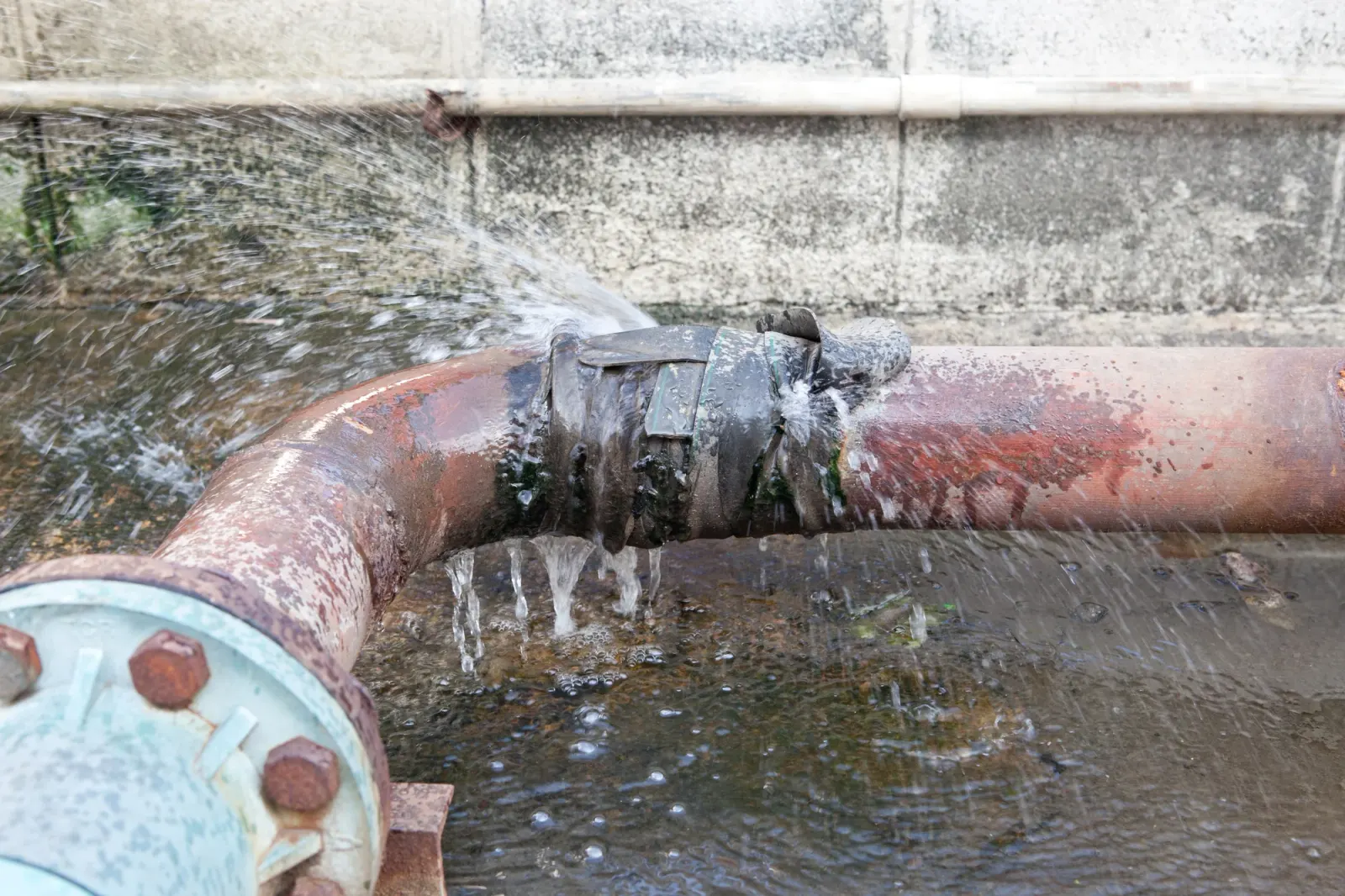
Emergency Plumbing
Burst pipes, gas leaks, no hot water and flooding. Urgent call-outs across inner Melbourne, subject to availability.
Learn more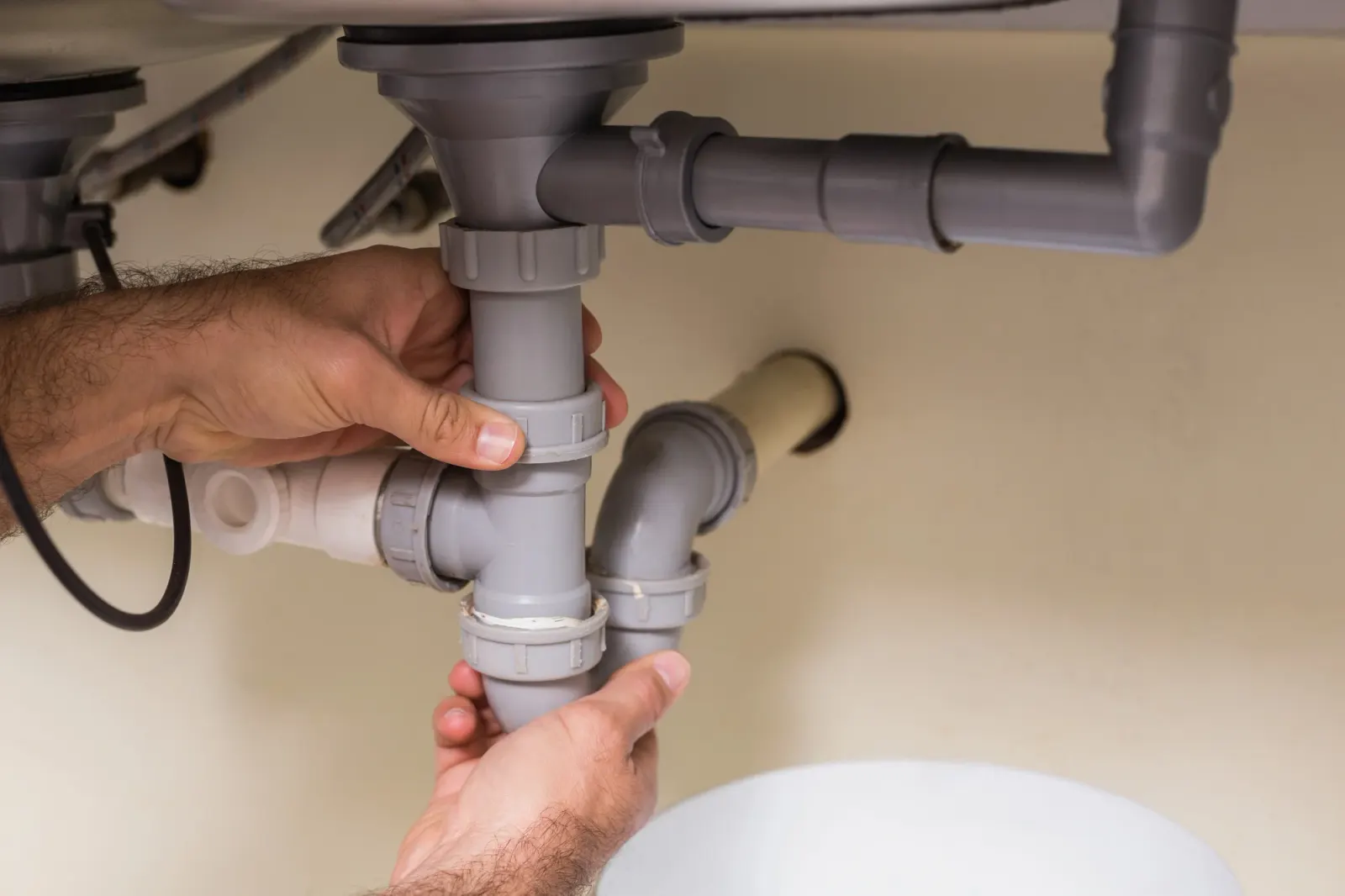
Residential Maintenance & Repairs
Repairs and maintenance for houses, apartments and rentals, from leaking fixtures and pressure faults to general plumbing problems.
Learn moreTalk to Heath about your tank or stormwater job.
Send the plans if you have them, the suburb and what the council or builder has asked for. Heath reviews every enquiry personally and puts the scope in writing before anything is excavated.